

What a VPN actually does
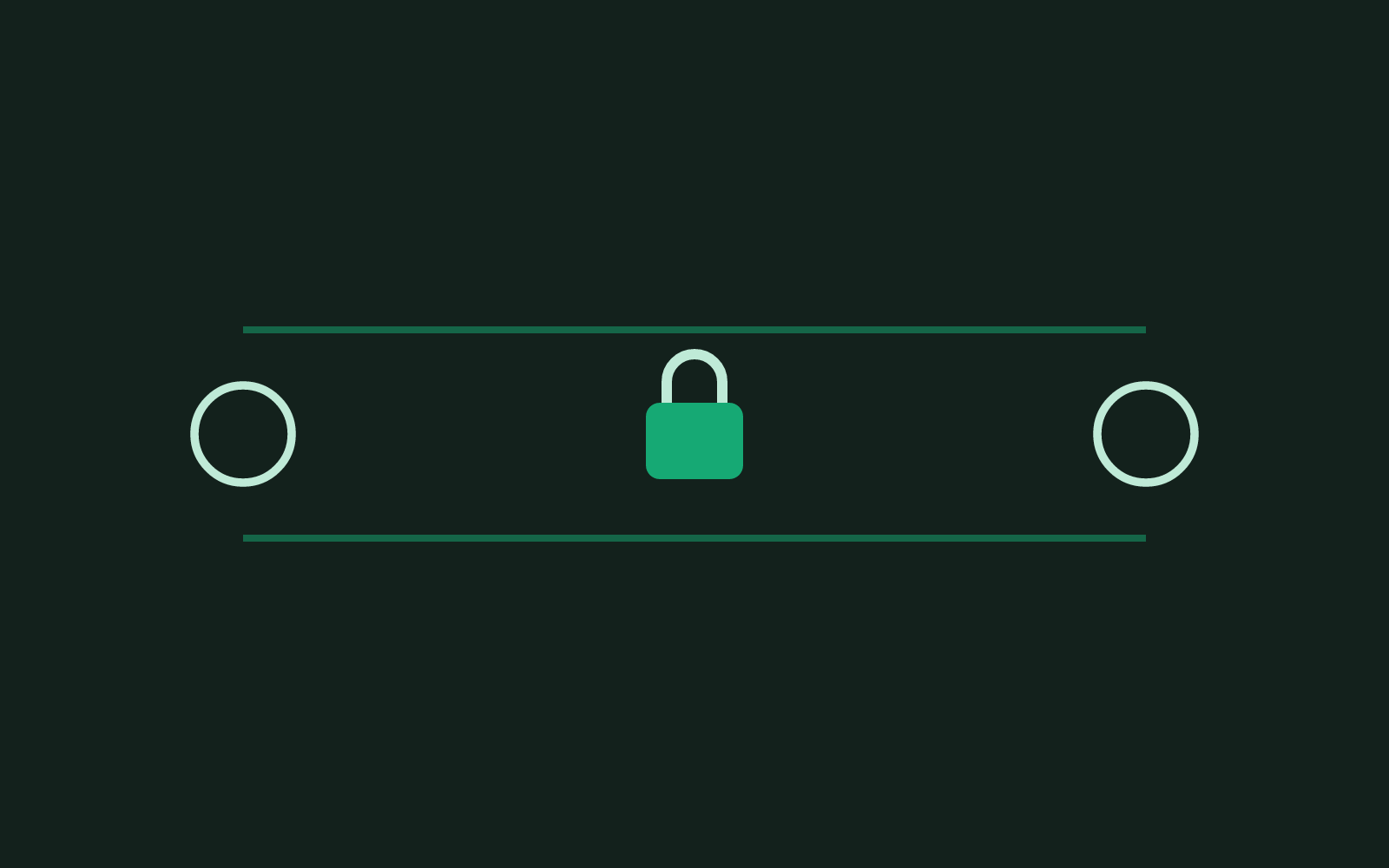
VPN stands for virtual private network, and the idea is right there in the name. It builds a private, encrypted tunnel across a network you do not control, usually the public internet, so that two points can talk as though they were sitting on the same protected local network. Anything travelling through the tunnel is scrambled, so even if someone intercepts it along the way, all they see is noise.
For a business, the classic use is remote access. Someone working from home or a cafe switches on a VPN and their laptop behaves, more or less, as if it were plugged in at the office: it can reach internal systems, and its traffic to them is protected from whatever questionable wifi it happens to be on. A second common use is joining two offices together over the internet as if they shared one network. The modern versions lean on well-regarded encryption protocols like IPsec and WireGuard to do the scrambling.
What it does not do
This is where the marketing runs ahead of the reality. A VPN is not a magic privacy cloak that makes you anonymous or untouchable. It protects data while it is in transit between two points. It does nothing about a weak password, a convincing phishing email, malware already sitting on the laptop, or a website tracking you once you arrive. A consumer VPN that promises total privacy is mostly moving your traffic from your internet provider to the VPN company, who can now see it instead.
For business remote access there is a further wrinkle worth knowing. A traditional VPN tends to drop a remote device onto the internal network and then trust it, which means a single compromised laptop can become a doorway to everything behind it. That weakness is exactly why many organisations are shifting towards a more careful model, often called zero trust, that checks every request on its merits rather than trusting a device simply because it reached the end of a tunnel.
Getting it right for a business
None of this makes VPNs a bad idea. For plenty of businesses a well-run VPN is still the sensible way to give staff safe access to internal systems. It sits at the same edge of the network as your firewall, and the two are set up hand in hand. The difference is in the details, and the UK’s NCSC publishes clear guidance on choosing and configuring one: prefer the VPN client built into the operating system, use certificates rather than shared passwords, and make sure traffic genuinely routes through the tunnel rather than quietly leaking around it.
Put simply, a VPN is a tool, not a force field. Used well, for the job it is actually good at, it quietly protects your people when they work away from the office. Sold as a cure-all, it lulls you into trusting it for things it was never built to do.