

The internet’s address book
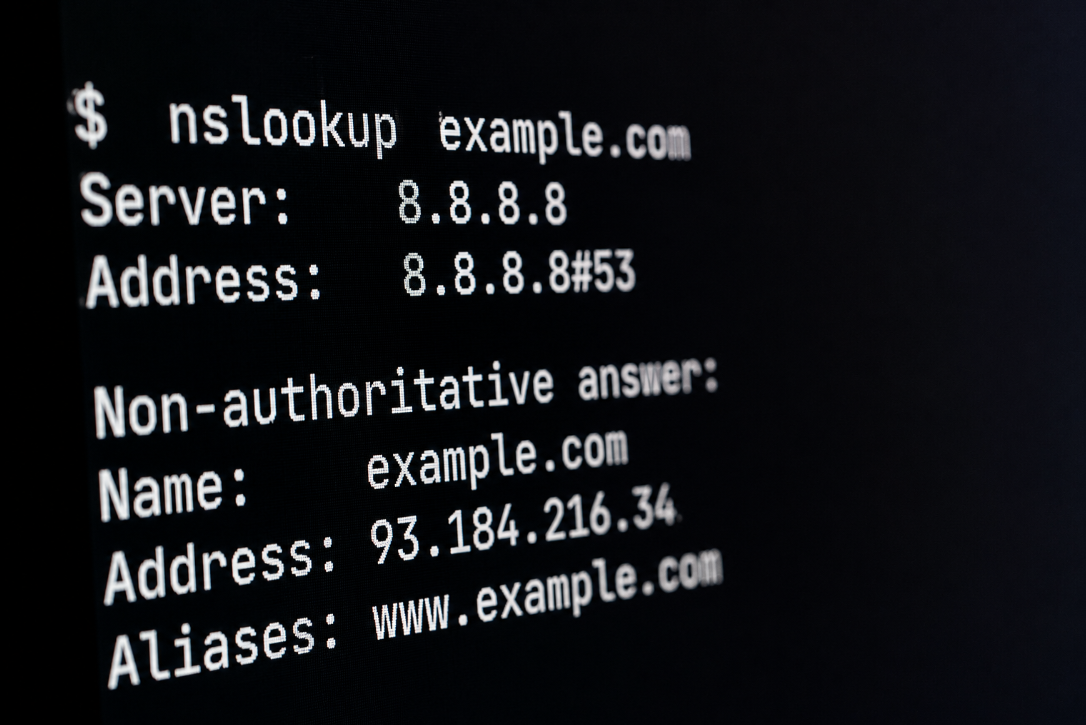
Computers do not find each other by name. They find each other by number, an IP address, a string like 172.217.16.196 that means nothing to a person and everything to a machine. DNS is the system that translates between the two, turning the orbit-computer-solutions.com you type into the numbered address your browser actually connects to. It is, in the well-worn phrase, the address book of the internet.
The lookup itself is a short relay race that runs behind the scenes:
- Your device asks a resolver, usually run by your internet provider (one it was handed automatically when it joined the network), “where do I find this name?”
- If the resolver does not already know, it works up the chain, asking the servers responsible for that domain.
- The answer, an IP address, comes back, and gets remembered for a while so the next lookup is instant.
- Your browser connects to that address, and the page loads.
All of that finishes in the blink before a page appears, millions of times a second, all over the world.
The day the address book went down
The best way to appreciate DNS is to watch what happens when it fails. On 21 October 2016, a company called Dyn, which ran the DNS for a large slice of the web, was hit by a huge attack. The websites themselves were perfectly fine. Their servers were running and their data was intact. But with Dyn’s DNS knocked offline, the rest of the internet could no longer look up where they were. For much of a day, Twitter, Spotify, Reddit, Netflix and dozens of others were unreachable for millions of people, not because they were down, but because nobody could find them.
That is the strange power of DNS. It does not store your website or your email. It only holds the directions to them. Lose the directions, and everything else may as well not exist. It is the same fragility behind the internet’s great routing outages, where the paths between networks vanish rather than the names.
Why it matters for your business
You depend on DNS far more than you might think, and usually through a handful of records most business owners have never seen. One record points the world at your website. Another, the MX record, tells the world where to deliver your email. Others quietly vouch that your email is genuine and help it land in inboxes instead of spam folders. Set out in the standards back in the 1980s and barely changed since, these records are the foundation almost everything else sits on.
Which is exactly why DNS mistakes hurt so much. A single mistyped record can send your email into a black hole. A lapsed domain can take your entire online presence offline overnight. A change made carelessly can take hours to ripple out across the world’s resolvers, a delay known as propagation, during which some visitors see the new version and some the old. None of these are exotic failures. They are ordinary slips, and they are common precisely because DNS is so easy to ignore until it bites.
Looking after it
For a business, DNS is not something to manage day to day. It is something to get right once and then leave well alone, in the hands of someone who treats it with care. In practice that comes down to a few quiet habits: never letting the domain registration lapse, knowing exactly who controls your DNS records, changing them deliberately rather than in a rush, and using a dependable DNS provider rather than whatever came bundled years ago. It is also worth checking it does not quietly slip out of the tunnel when your team is on a VPN.
It is unglamorous, and that is rather the point. Good DNS is invisible. The only time you are likely to think about it is the day something goes wrong, and the entire aim is to make sure that day never arrives.